
MY GOLF BLUEPRINT
Cavity-back irons: what the shape means
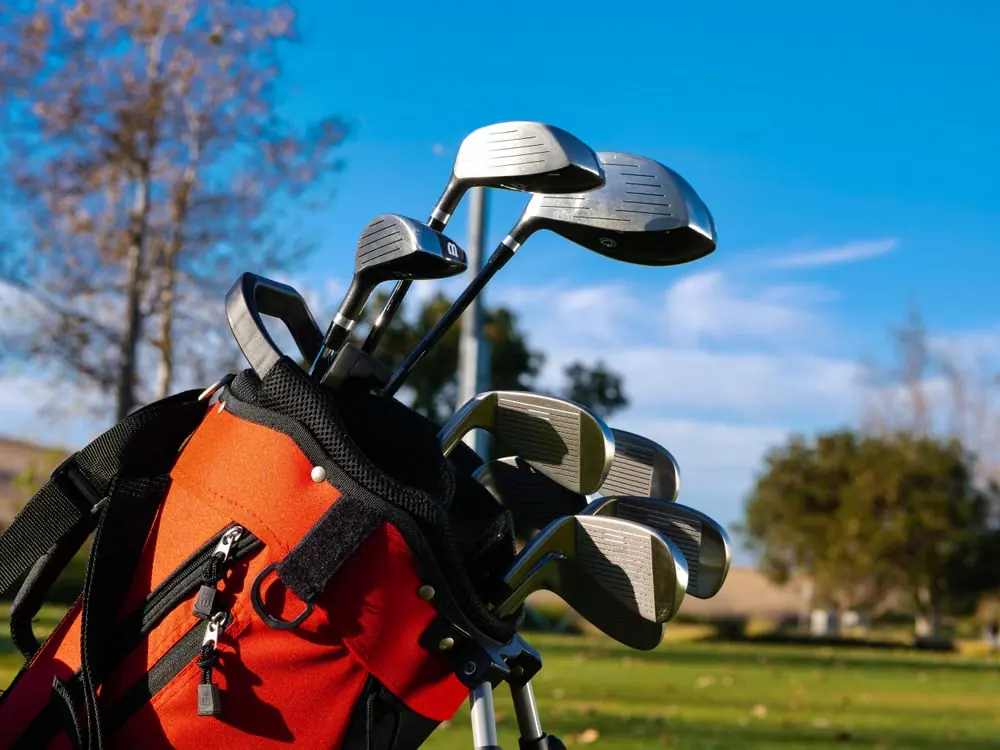
A cavity-back distributes material around a recessed rear section. Different cavity designs can produce very different launch, feel and forgiveness.
Specifications to compare
- Head construction
- Sole and bounce
- Loft progression
- Measured impact dispersion
A useful fitting test
Compare a cavity-back with another design using your normal swing and representative misses. Test on grass before deciding about turf interaction.
Trade-offs
Do not assume every cavity-back is large or every forged iron is a blade. Manufacturing process and head geometry describe different things.
Example decision
A compact forged cavity can suit a player who wants a smaller look while retaining some perimeter weighting.
Before buying
Confirm the exact model, playing side, loft, shaft, length, condition and return terms. Use the manufacturer’s current specification sheet for the actual club. This guide does not claim a product test or a guaranteed result.
Use it on the course
Centered contact: use the face as feedbackKeep learning
Educational guide. See our editorial standards and review status.
Questions about this lesson?
Ask below. Keep questions relevant and respectful. First contributions are moderated.
Sign in to comment