
MY GOLF BLUEPRINT
Golf Equipment: understand your choices
Compare clubs, balls, specifications and accessories without invented tests or sales rankings.
Browse the guides
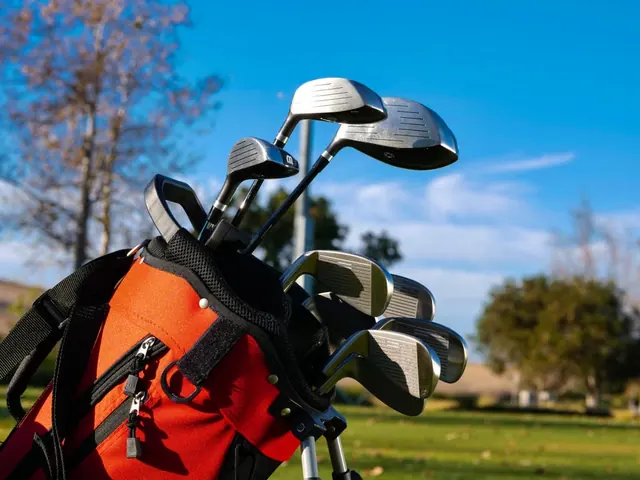
Drivers: choose carry and dispersion together
A driver is the longest-shot option from a tee for many golfers. Head loft, playing length, shaft and strike pattern all affect whether it is useful.
Fairway woods: loft and usable launch
A fairway wood can serve as a tee club or a long shot from a good lie. The club number is less important than its actual carry and how often you strike it well.
Hybrids: compare the job, not the label
A hybrid combines design features intended to offer an alternative to a long iron or fairway wood. Its value depends on launch, carry and the lies you face.
Utility irons: a specialized long-club option
A utility iron can offer a different flight and sole design from a conventional long iron. It is useful only if you can launch and strike it for the intended job.
Game-improvement irons: forgiveness and fit
Game-improvement designs generally aim to help with launch or the consequences of imperfect contact. The category is broad and individual models differ.
Players-distance irons: compact shape, distance trade-offs
Players-distance irons combine a relatively compact appearance with features intended to produce speed or launch. That label is marketing shorthand rather than a uniform specification.
Cavity-back irons: what the shape means
A cavity-back distributes material around a recessed rear section. Different cavity designs can produce very different launch, feel and forgiveness.
Muscle-back irons: assess the real cost of misses
A muscle-back uses a more solid rear shape without the cavity of a cavity-back. It may offer a preferred appearance or response, but suitability depends on the player's strike.
Pitching wedges: check the actual loft
The pitching wedge is usually the shortest iron in a set, but its loft varies across designs. That variation affects the gap to specialist wedges.
Gap wedges: fill a measured distance gap
A gap wedge is useful when it covers a real gap between your set wedge and higher-lofted wedges. Its number should follow measured distances.
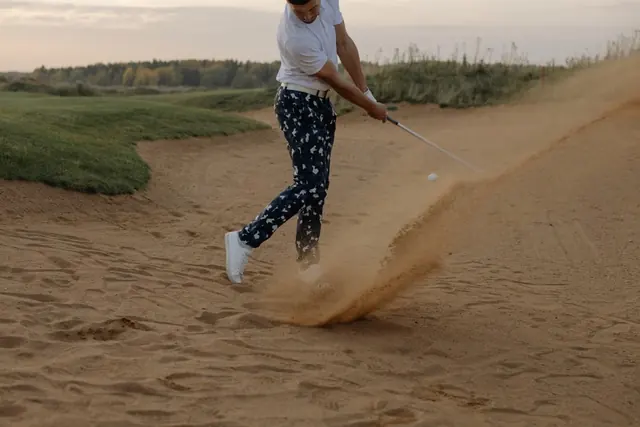
Sand wedges: bounce and your conditions
A sand wedge is commonly used in bunkers and around greens, but loft alone does not describe its performance. Sole shape, bounce and the player's delivery interact.
Lob wedges: useful height, demanding decisions
A lob wedge offers a high-loft option when a shot needs height and a short rollout. It is one choice, not the default for every shot near a green.
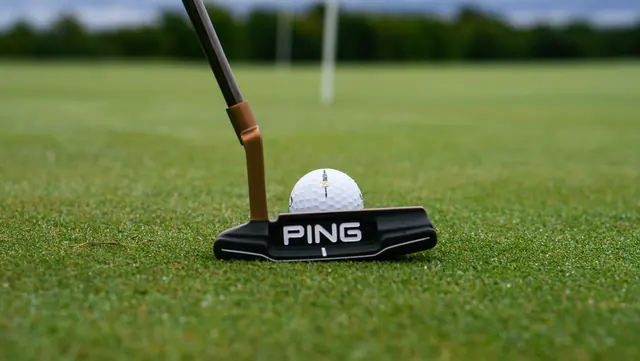
Blade putters: test aim and pace
A blade putter usually has a more compact head than a mallet. Head shape, weighting, neck and alignment features all influence how a particular model behaves for a player.
Mallet putters: alignment and stability
A mallet offers a larger head shape with room for alignment features and varied weight distribution. Different mallets have different balance and feel.
Golf club specifications explained
Understand loft, lie, shafts, weight, bounce, grind and adjustable hosels before comparing equipment.
Golf balls: construction, spin, feel and fitting
Compare ball covers, construction, compression, spin, durability and fitting with practical shot tests.
Used versus new golf clubs
A used club can offer good value when its identity, condition and fit are clear. New equipment may offer support or return options, but higher cost does not guarantee a better match.
Golf shoes: fit, traction and walking comfort
Golf shoes should remain comfortable over a long walk while providing suitable traction for the surfaces you use. Course rules and weather affect the choice.

Golf gloves: secure contact without bunching
A glove can help maintain a secure grip, but fit and dry contact matter more than brand. Many golfers wear it on the lead hand; preferences vary.
Golf bags: choose how you carry
A bag should suit walking, a push trolley or a cart while keeping equipment accessible. Empty weight matters more if you carry it for a full round.
Rangefinders: distance without false precision
A rangefinder measures a line-of-sight distance to what it captures. Slope features and other aids may be restricted by the Rules or a competition's local rule.
Golf GPS watches: use the map as a guide
A GPS watch can provide course distances without a visible flag. Accuracy depends on mapping, reception and the device's current data.
Launch monitors: choose the measurement you need
A launch monitor should answer your practice or fitting question in the space you have. Devices differ in measured parameters, calculations and indoor requirements.
Golf training aids: buy a task, not a promise
A training aid is useful when it supplies feedback on a specific skill and the change transfers to an ordinary shot. Claims of instant fixes need scrutiny.