
MY GOLF BLUEPRINT
Golf Video Lessons
Choose a topic, then use the written practice task below the player. Videos load only after you select Play. Links and publisher metadata were checked on 6 November 2026; playback availability can change.
Grip
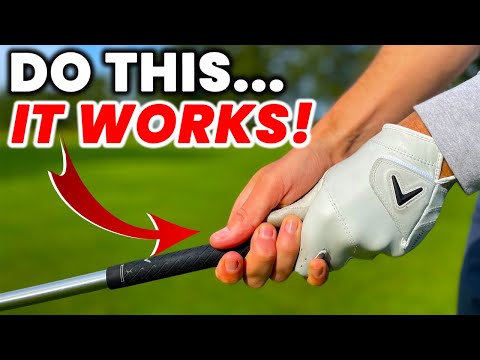
Grip changes and clubface control
Watch how a grip adjustment is connected to a ball-flight change. Compare the hand position with your own comfortable hold rather than copying a knuckle count.
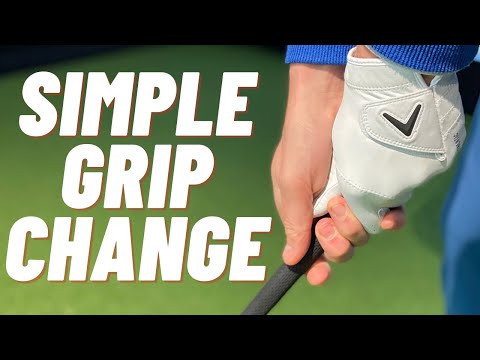
How to hold a golf club
Focus on the relationship between the handle, fingers and joined hands. A secure hold should still allow a comfortable motion.
Setup
How to hold a golf club
Focus on the relationship between the handle, fingers and joined hands. A secure hold should still allow a comfortable motion.
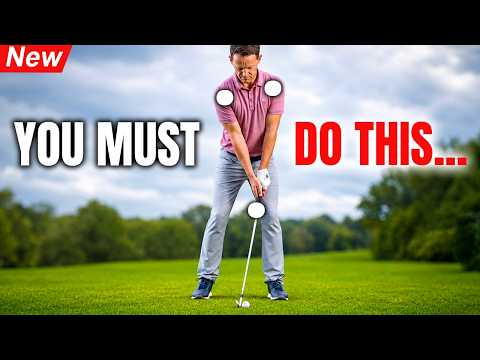
Prepare for a better iron strike
Look at the checks made before the swing. Use the lesson to build a repeatable setup and a clearer contact intention, not a promise of instant improvement.
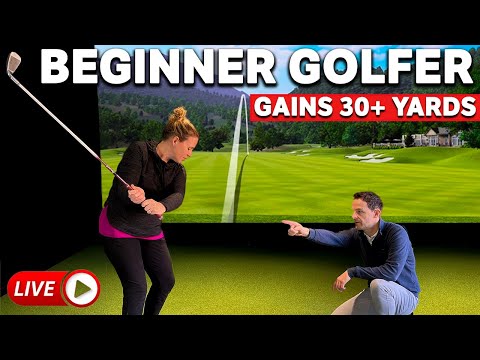
Watch a beginner iron lesson
A filmed lesson shows one golfer receiving individual advice. The distance change in the original title is that lesson’s claim, not an outcome promised to every viewer.
Bunkers
Putting
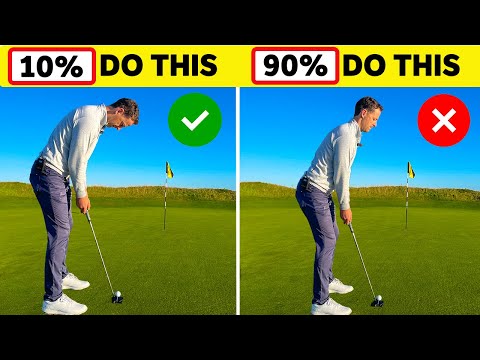
Putting setup, stroke and pace
Separate the putting checks into address, starting direction and distance control. Improvement in one area does not prove that all three have changed.
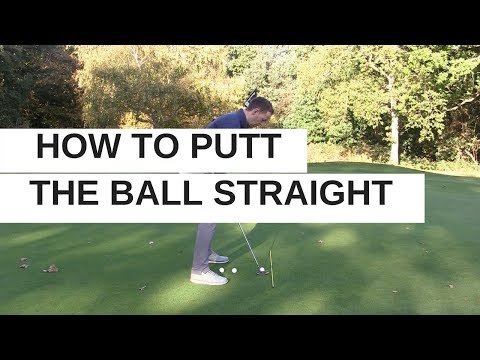
Start a putt on your chosen line
Use a straight practice putt to isolate starting direction. On a breaking putt, the correct start line is usually different from the direct line to the hole.
Irons
Prepare for a better iron strike
Look at the checks made before the swing. Use the lesson to build a repeatable setup and a clearer contact intention, not a promise of instant improvement.
Watch a beginner iron lesson
A filmed lesson shows one golfer receiving individual advice. The distance change in the original title is that lesson’s claim, not an outcome promised to every viewer.
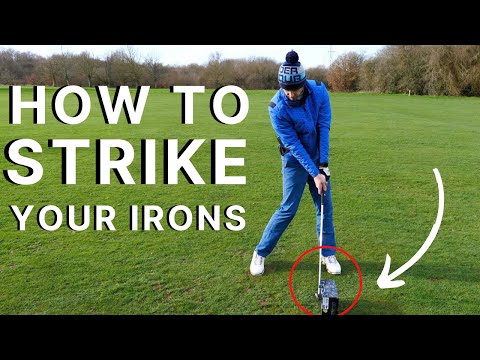
Iron contact for newer golfers
Pay attention to how the strike is simplified. A good mat shot can hide contact behind the ball, so use suitable feedback when checking your own result.
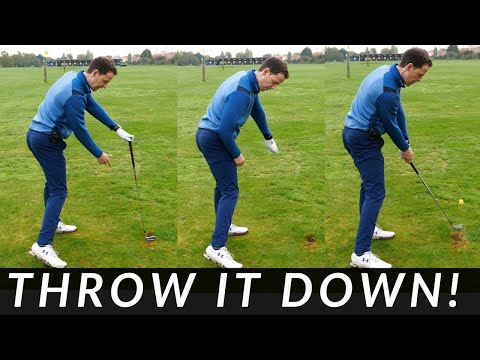
A drill for a recurring slice
A slice can involve aim, face delivery, path and off-center strike. Use the demonstration as one test after checking which pattern you actually produce.
Driver
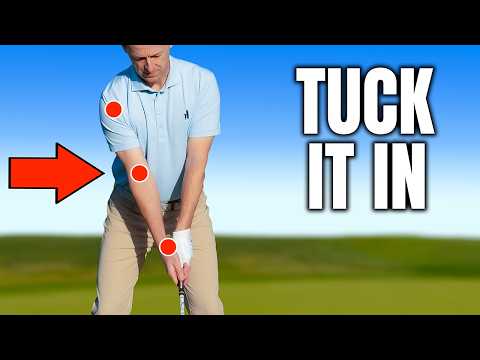
Driver setup and arm position
The video discusses right-arm position for a right-handed player. Mirror lead/trail relationships carefully if you play left-handed, and check impact location before making a movement change.
A drill for a recurring slice
A slice can involve aim, face delivery, path and off-center strike. Use the demonstration as one test after checking which pattern you actually produce.
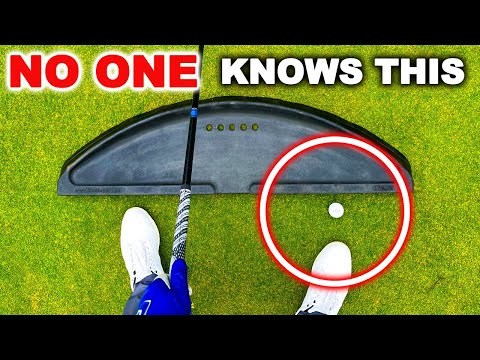
Build a more playable driver pattern
A useful driver result is a repeatable pattern that fits the hole. Judge the exercise by ordinary strikes and dispersion, including misses, rather than the best ball.
Hook fixes
Slice fixes
Driver setup and arm position
The video discusses right-arm position for a right-handed player. Mirror lead/trail relationships carefully if you play left-handed, and check impact location before making a movement change.
A drill for a recurring slice
A slice can involve aim, face delivery, path and off-center strike. Use the demonstration as one test after checking which pattern you actually produce.
Build a more playable driver pattern
A useful driver result is a repeatable pattern that fits the hole. Judge the exercise by ordinary strikes and dispersion, including misses, rather than the best ball.
Club fitting

Course management

Course management and shot strategy
Separate the plan for the hole from the decision for the shot in front of you. A sensible original plan may need to change after a poor lie or an unexpected miss.

Course decisions with Michael Breed
Watch how shot choice relates to trouble and the next position. Compare those decisions with your own carry range rather than adopting a stronger player’s target.
Wedge distance

Distance-wedge contact and control
Look for repeatable contact and a manageable trajectory before trying to hit a narrow yardage. A partial wedge system needs measurements with your clubs.

Build a personal wedge-distance matrix
The lesson explains a structured way to connect swing length and carry. Treat clock positions as personal reference points; they do not prescribe identical distances for everyone.
Pitching
Distance-wedge contact and control
Look for repeatable contact and a manageable trajectory before trying to hit a narrow yardage. A partial wedge system needs measurements with your clubs.
Build a personal wedge-distance matrix
The lesson explains a structured way to connect swing length and carry. Treat clock positions as personal reference points; they do not prescribe identical distances for everyone.
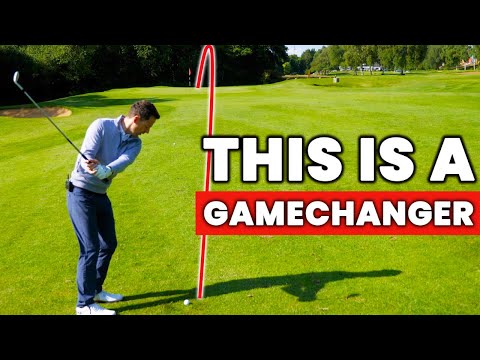
Chip and pitch contact
Notice the difference between a small running shot and a shot that needs more flight. Avoid treating every short-game situation as the same technique at a different speed.
Chipping
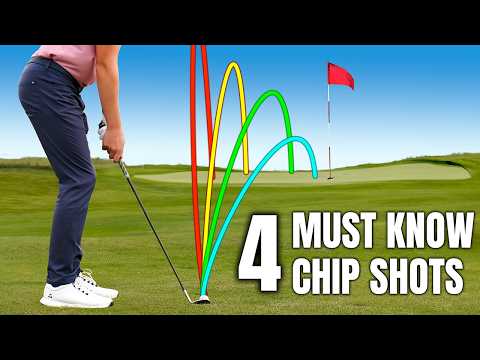
Choose a chip for the lie and landing space
Compare the shot options shown with the lie, obstacle and available green. More options are useful only when you understand the contact and landing behavior of each.
Chip and pitch contact
Notice the difference between a small running shot and a shot that needs more flight. Avoid treating every short-game situation as the same technique at a different speed.
Rules
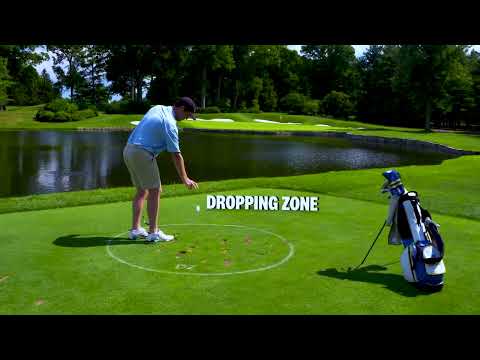
USGA: penalty-area rules
Use the official video alongside Rule 17. Red and yellow markings affect available relief; finding the correct last crossing point is part of the decision.
USGA: play the course as you find it
The basic principle is to play the course as you find it and the ball as it lies, except where the Rules permit otherwise. Check the applicable exception before improving a condition.