
MY GOLF BLUEPRINT
Free relief: nearest does not mean nicest
Rule 16.1 · Official source checked 6 November 2026
Abnormal course conditions can allow free relief when they interfere as defined by the rule. The nearest point of complete relief is a reference point, not permission to choose the best patch of grass.
On the course
- Check that the condition qualifies and your intended stroke is reasonable.
- Determine the nearest point that removes the relevant interference, no nearer the hole.
- Measure and use the required relief area.
Worked situation
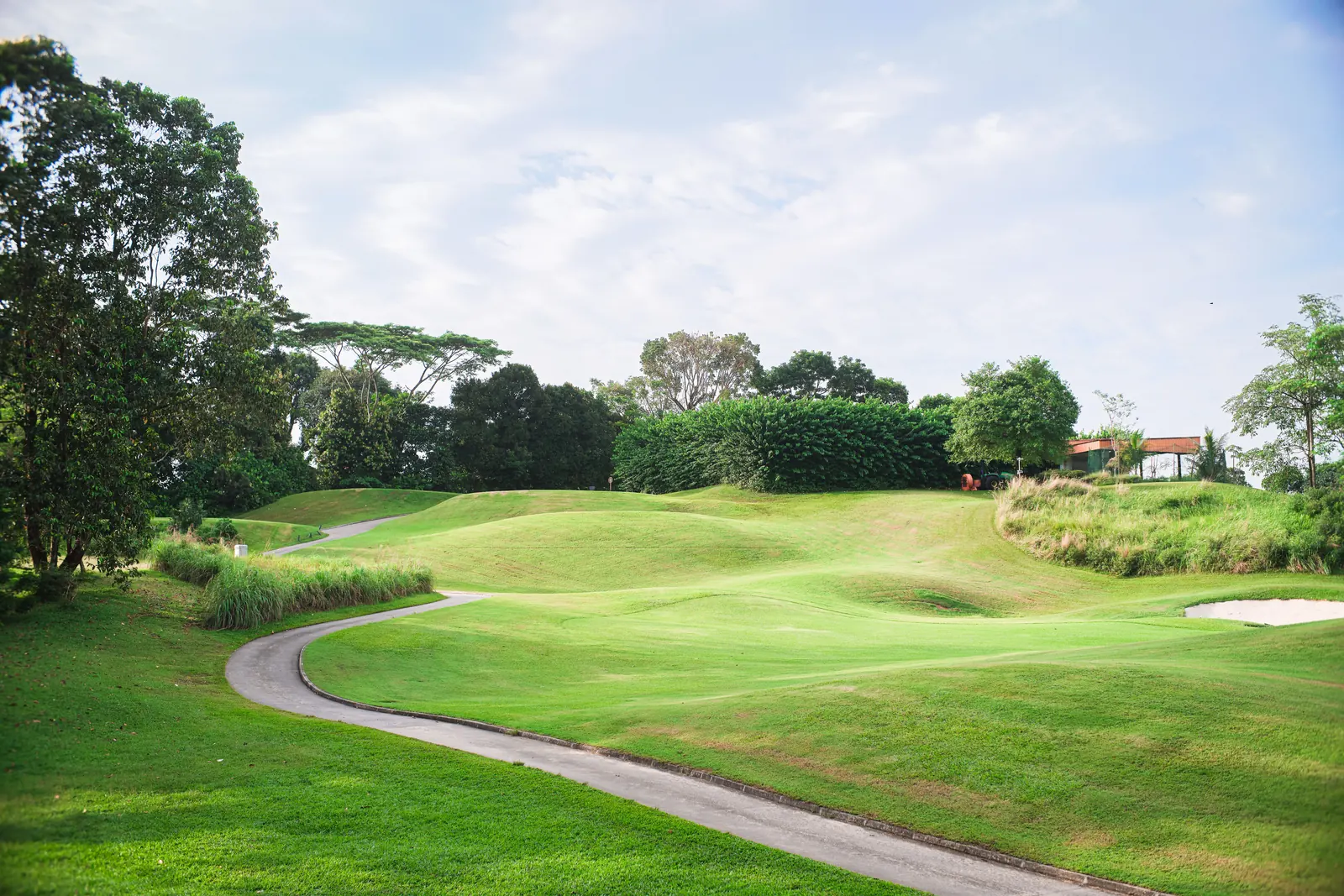
A cart path may interfere with your normal stance. The nearest point of complete relief can be in rough even when fairway lies on the other side.
Important distinction
Boundary objects and integral objects do not automatically provide free relief. Procedures differ in bunkers and on greens, and ordinary abnormal-condition relief is not available for a ball in a penalty area.
Sources and further reading
Related video
Watch the demonstration, then return to the practice check in this guide.
USGA: play the course as you find itA ball in the general area
For ordinary Rule 16.1b relief, find the nearest point of complete relief in the general area and measure one club-length from it. The relief area must remain in the general area, be no nearer the hole and provide complete relief from the relevant interference. The nearest point is not necessarily on the most convenient side of the condition.
Keep learning
Educational guide. See our editorial standards and review status.
Questions about this lesson?
Ask below. Keep questions relevant and respectful. First contributions are moderated.
Sign in to comment